

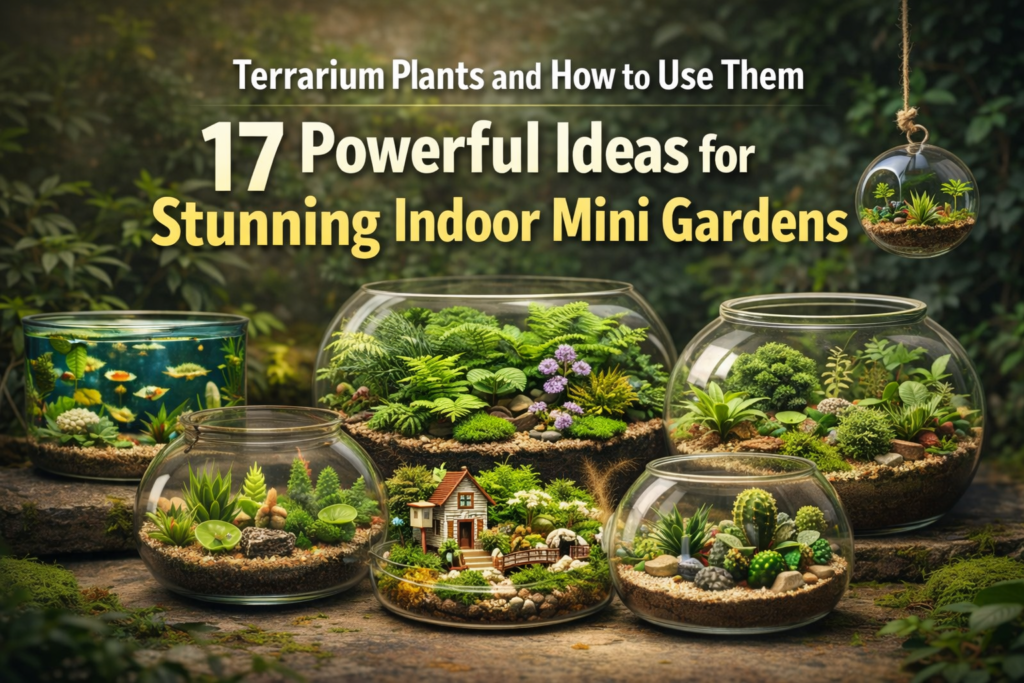
Terrarium Plants and How to Use Them
Understanding What is a Terrarium
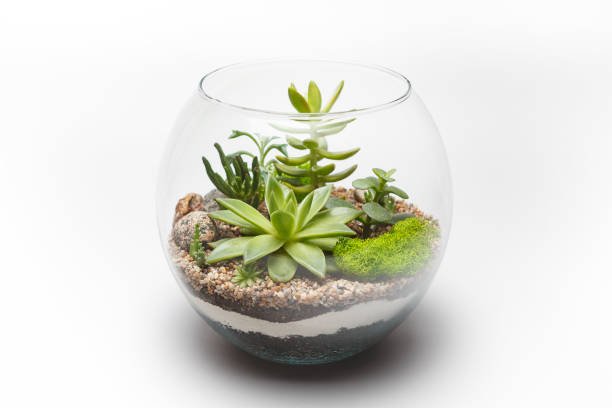
A terrarium is a small enclosed space that is used to cultivate and showcase plants and is usually enclosed in a transparent container such as glass. If you are wondering what is a terrarium, it acts as a little mini ecosystem in which moisture, air and even nutrients are recycled naturally, forming a self-sustaining or low-maintenance habitat. You can also use terrariums as a method of observing how plants behave with the environment, and they are commonly used as a form of decoration. They may be open (enabling plants such as succulents to breathe in and out) or closed (sealing in moisture and humidity to keep tropical plants such as mosses and ferns alive). This harmony between beauty and science renders terrariums a good option for both novices and seasoned plant lovers.
One of the most asked questions by beginners is what is a terrarium. Put simply, terrariums are miniature gardens that are cultivated in glass jars. Terrarium plants will thrive in these mini ecosystems due to a controlled environment, and they will suit apartments, offices and small home settings.
The splendor of a plant terrarium is in the fact that it is self-sufficient. Moisture in a closed terrarium is evaporated and condensed to form a natural water cycle. This renders it very low-maintenance as opposed to conventional gardening.
Types of Terrariums: Open vs Closed Terrarium
There are two major types of terrariums, the open and closed terrarium ones. A closed terrarium is sealed, and it traps humidity within and is therefore good with tropical plants. Conversely, dry-loving terrarium plants such as succulents, air plants and terrariums mix better in open setups.
The selection between the two will be determined by the kind of plants inside a terrarium you have in mind to grow. Plants that enjoy moisture in the enclosed environment and those that love the air can be found in the desert and in the enclosed environment, respectively.
Benefits of Using Terrarium Plants Indoors
Space-Saving Indoor Gardening
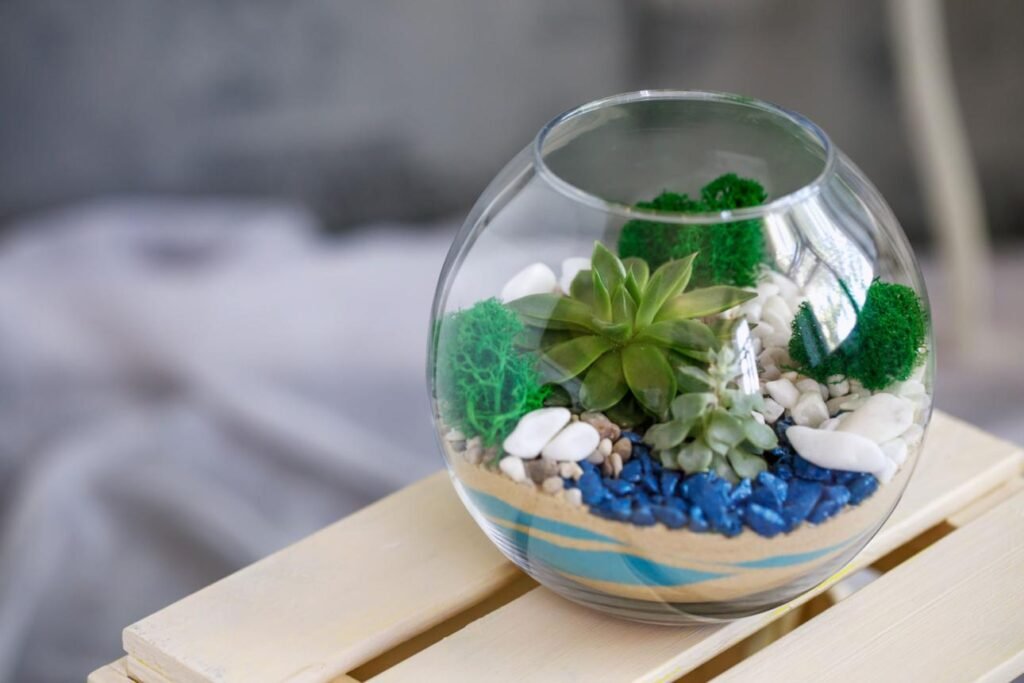
The limited space needed by terrarium plants is one of the greatest benefits. Whether you have small terrarium plants or a compact setup, these arrangements can be placed anywhere.
They are ideal in urban life, where one may not always have time to do gardening. A small shelf or desk corner can be a great place to have a miniature terrarium ecosystem.
Air Purification and Aesthetics
Terrariums not only save on space but also improve the indoor air quality and are aesthetically pleasing. An effective plant terrarium is a natural ornament that incorporates greenery and a modern look.
It is a blend of moss, stones and tiny terrarium plants that ensures a relaxing atmosphere in your home, making it feel fresh and welcoming.
Best Terrarium Plants for Beginners
Small Terrarium Plants Selection
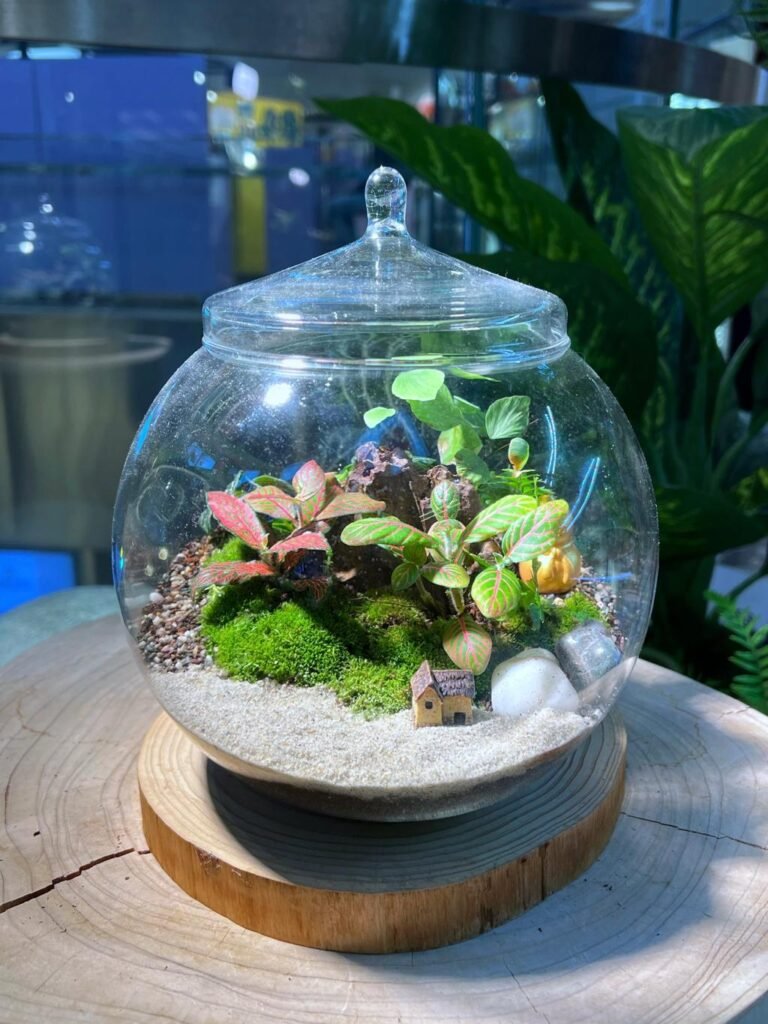
Choosing the best terrarium plants is crucial for success. Novices must start with tough species that can adjust to confined surroundings with ease. Popular options are moss, ferns and Fittonia.
These closed terrarium plants are small and need little care and grow slowly, a factor that aids in maintaining the balance within the container.
Tiny Terrarium Plants for Compact Spaces
In smaller arrangements, small terrarium plants such as baby tears and miniature orchids would be effective. They produce a very fine and delicate appearance, particularly in a small terrarium.
With small plants, you can make sure that your terrarium is not overpopulated, so you can maintain a pleasing look and control it easily.
Types of Terrarium Plants You Can Use
Tropical Terrarium Plants for Humid Environments
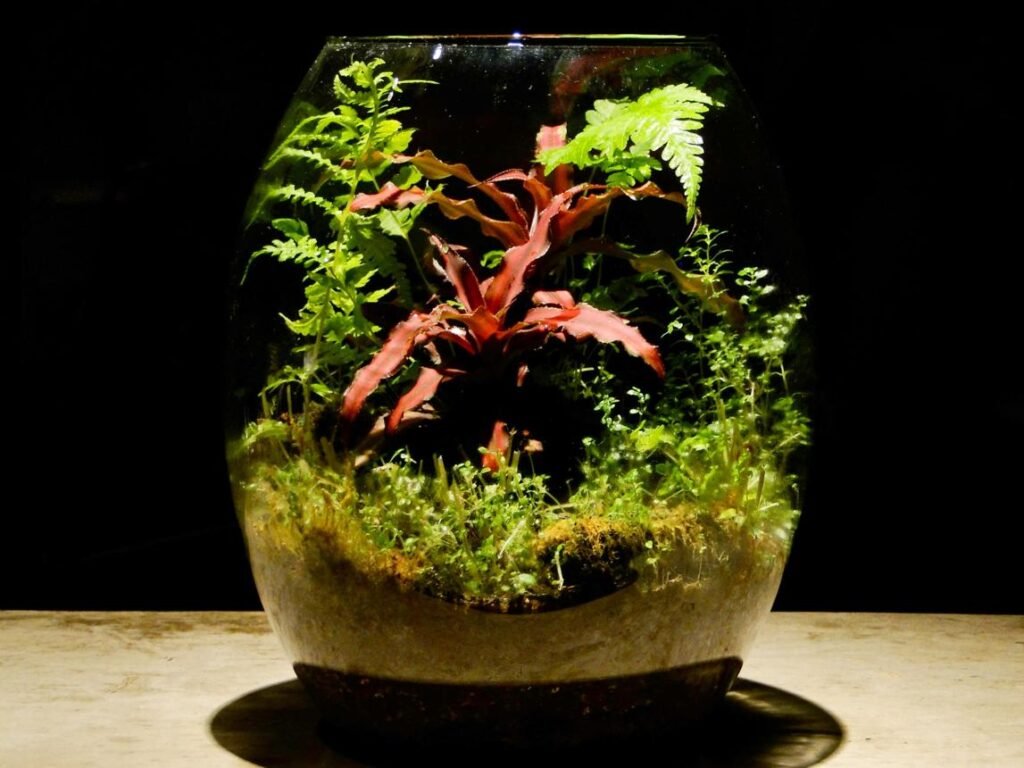
The most popular type of terrarium plants when choosing them are tropical ones, particularly for a closed terrarium. Ferns, mosses, Fittonia and peperomia are some of the common tropical plants placed in a plant in terrarium setup.
Tropical greenery is one of the categories of best terrarium plants to consider in case you want a classic appearance.
Succulents and Cactus for Open Terrariums
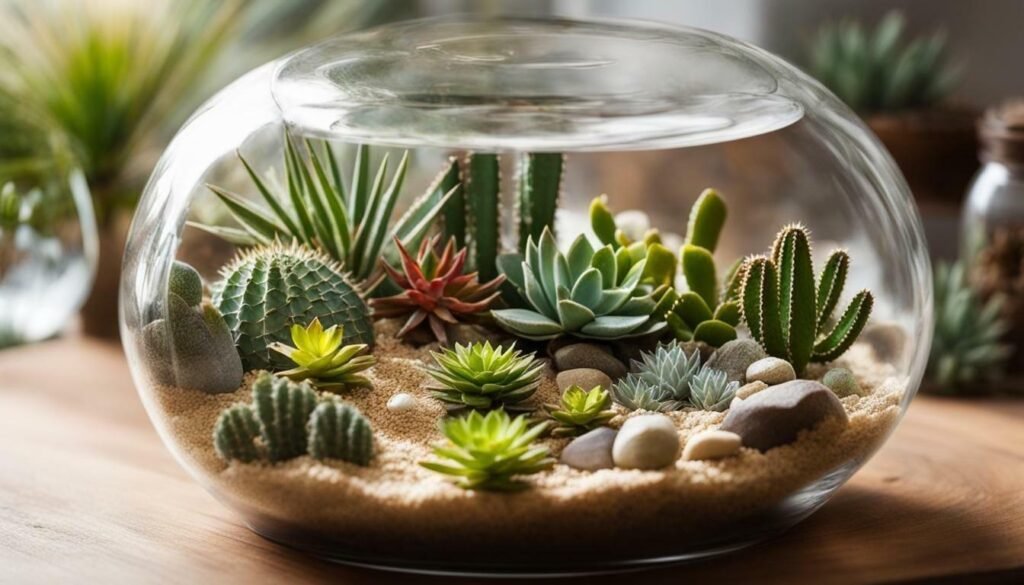
Succulents and cactus are good selections in open terrariums. These plants are unlike the tropical ones as they thrive in dry conditions and high airflow. This causes them not to fit in a closed terrarium and fits best in open glass containers.
These drought-resistant plants will be the best choice for those people who want to have low setups. They can be used in any terrarium ideas that you have in mind.
Air Plants for Minimalist Terrarium Designs
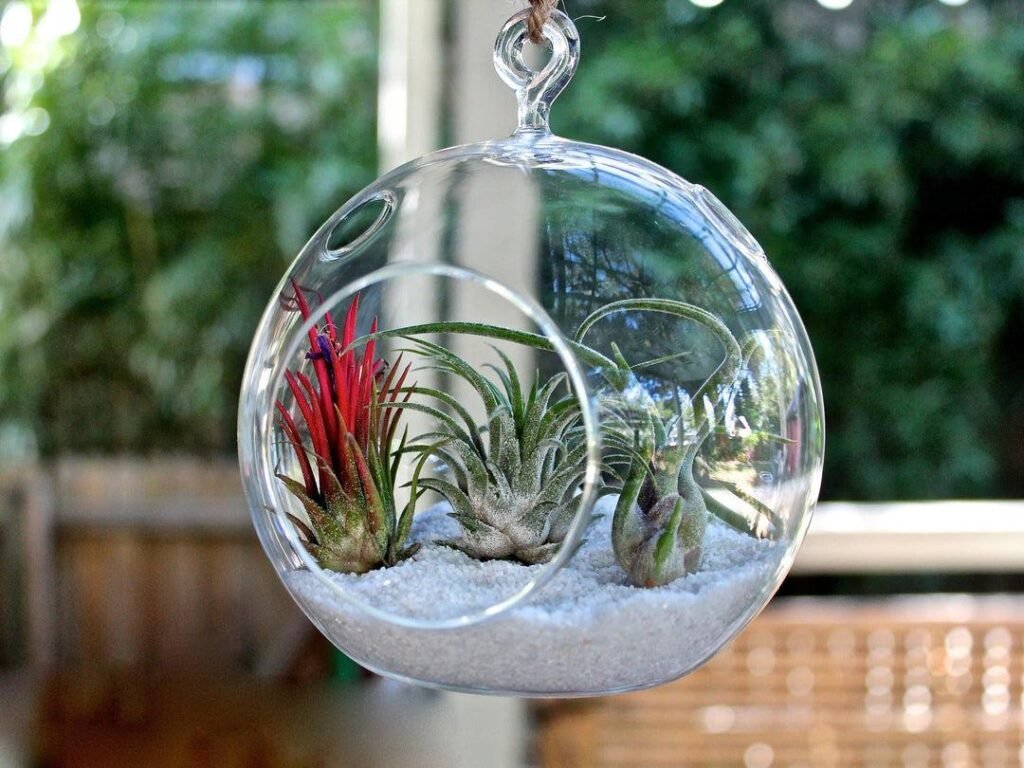
Tillandsias, or air plants, are a specialty of any air plant terrarium. The plants do not need soil, thus making them extremely flexible in creative presentation. Air plants and terrariums perform optimally in open containers.
Air plants do not require regular watering, but can be sprayed with water when it is dry since the moisture is absorbed through the leaves. This renders them ideal as minimalist designs and decorative setups.
Carnivorous Plants for Exotic Terrariums
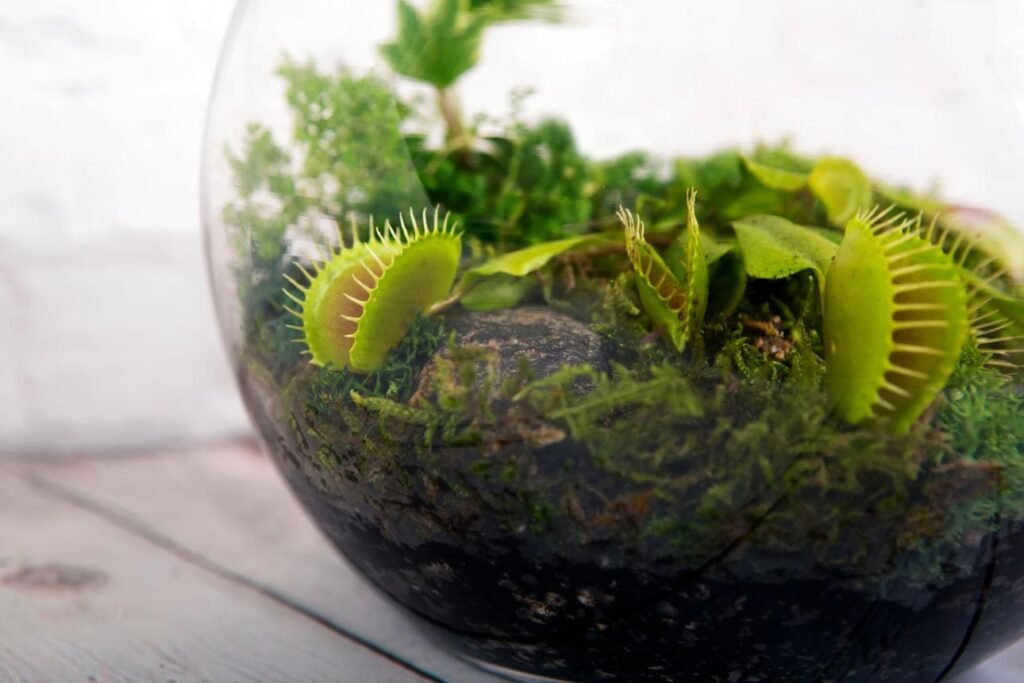
To create something really unique, a carnivorous plant terrarium provides a functional and interesting twist. Venus flytraps and pitcher plants are examples of these plants.
When you put them into your miniature terrarium, they can make a great center of interest.
Flowering Plants for Colorful Terrariums
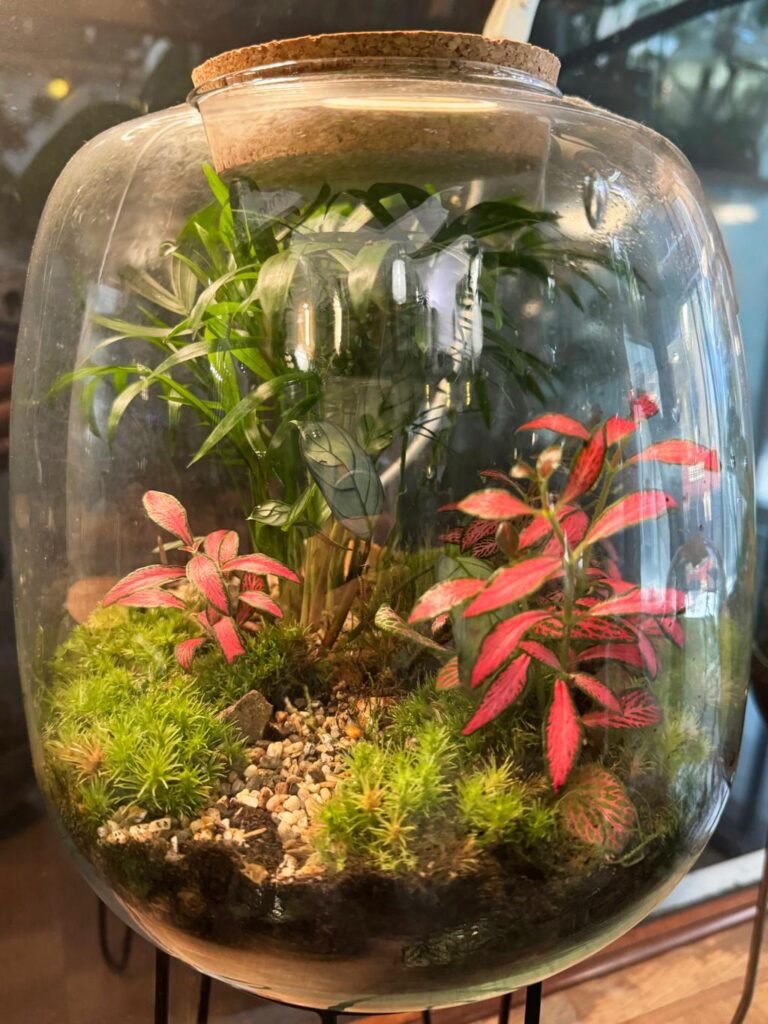
Flowering plants are an excellent choice if you want to add a pop of color to your plant terrarium. Popular options include miniature orchids and African violets.
Plants do not all grow well in a closed system. The most appropriate closed terrarium plants are the ferns, mosses and some tropical types.
Closed Terrarium Plants Guide
Plants Inside a Terrarium That Thrive in Humidity
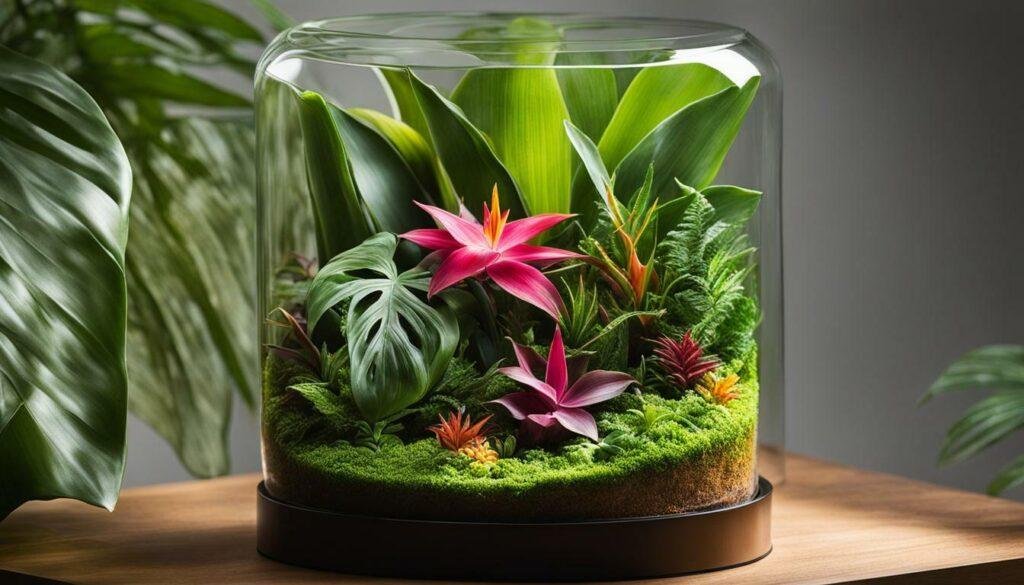
Not all plants grow well in an enclosed setting. Plants that are best kept in closed terrariums are ferns, mosses, and some varieties of tropical plants. These species love humidity and grow well without frequent watering.
The correct choice of plants inside a terrarium would guarantee success in the long term and minimize the maintenance costs.
Closed Terrarium Maintenance Basics
It is so easy to keep a closed terrarium. Due to the moisture recycling in the environment, watering is not very common.
Direct sunlight should be avoided as it may overheat the glass and kill the plant in terrarium set-up.
Air Plant Terrarium Ideas
Air Plants and Terrariums Compatibility
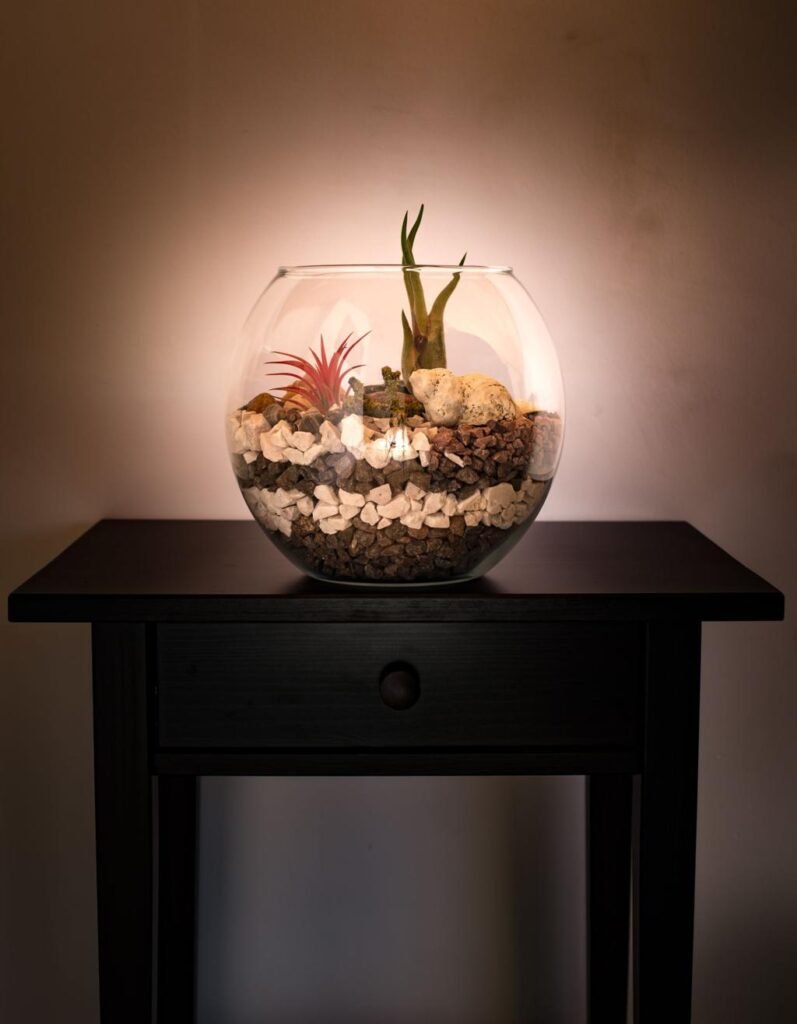
An air plant terrarium is a modern twist on traditional designs. Air plants and terrariums are best suited in open containers.
Air plants and terrariums get along best with open containers where moisture cannot accumulate due to airflow.
Styling an Air Plant Terrarium
You can style an air plant terrarium using sand, pebbles, and driftwood. These elements enhance the visual appeal while supporting the plant structure.
This style is perfect for those who want a low-maintenance yet artistic indoor garden.
Creative Terrarium Ideas for DIY Lovers
Miniature Terrarium Inspiration
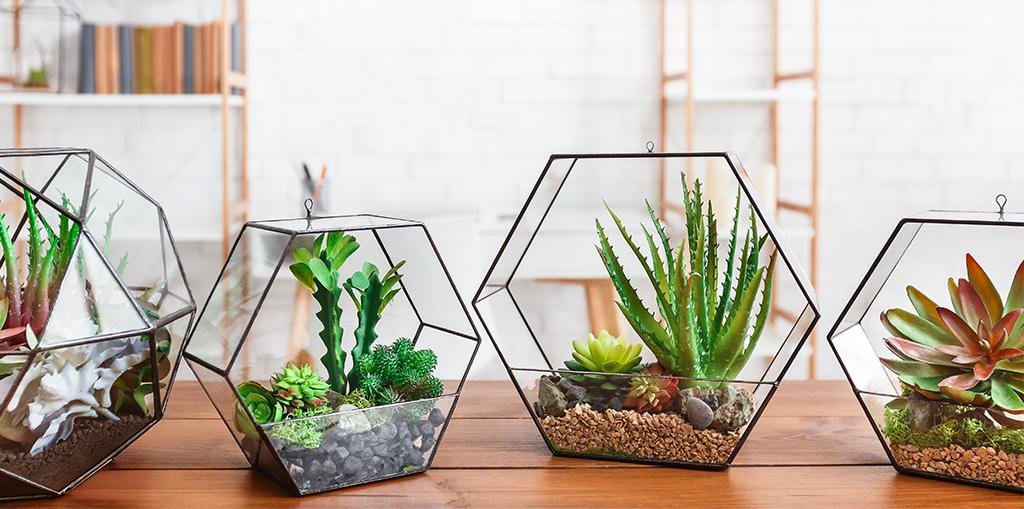
Terrarium ideas can be so entertaining if you enjoy DIY projects. In a tiny terrarium plants setup, one can add small figures, rocks and stratified soil.
These creative setups turn simple gardening into an artistic hobby.
Unique Plant Terrarium Designs
To build a terrarium, you will need a glass container, soil, charcoal, rocks and the plants you want for your plant in terrarium setup.
Experimenting with shapes and plant combinations allows you to create something truly unique.
How to Build a Plant Terrarium Step by Step
Materials and Tools Needed
To make a terrarium, one needs a glass enclosure, soil, charcoal, rocks, and your preferred terrarium plants. The layers are used to sustain drainage and to keep the roots from rotting.
Layering Soil and Plants
Begin with a drainage layer, then proceed with charcoal and soil. Then put your plant in terrarium carefully and make sure that it has enough space.
Proper layering is essential for maintaining a healthy ecosystem.
Caring for Plants Inside a Terrarium
Watering and Lighting Tips
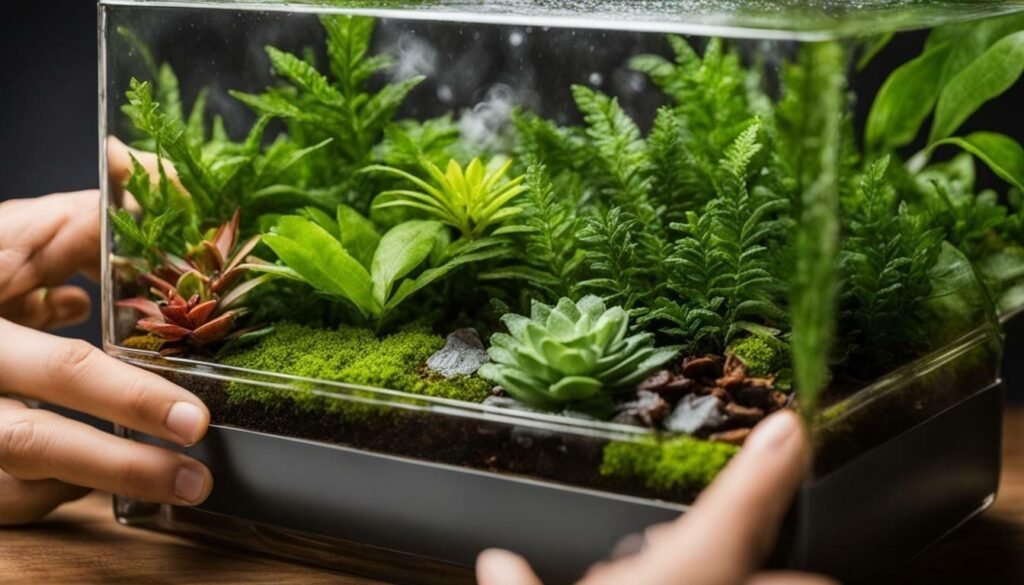
Plants kept in a terrarium require a balance of light and moisture—the majority of terrariums like indirect sunlight.
An excess of water may suffocate your closed terrarium. Always keep a balance.
Preventing Mold and Overgrowth
Mold is prevented with good airflow and a proper choice of plants. It is important to trim your terrarium plants regularly so that they do not grow bigger than their enclosure.
Carnivorous Plant Terrarium Setup
Suitable Carnivorous Species
Appropriate carnivorous species have the potential to provide visual interest as well as functional value to a terrarium plants community, particularly in moist, closed terrarium conditions. Popular plants include Venus flytrap, pitcher plants (Nepenthes), and sundews (Drosera), which do well in high humidity and nutrient-poor soil, which is typical of terrariums and plants inside a terrarium setups. Small insects get attracted to these plants, and they are digested by the plants, thereby maintaining a balanced micro-ecosystem in a plant terrarium. Nevertheless, not every carnivorous plant can be kept in closed terrarium plants environments; such species as Nepenthes and tropical sundews are more likely to succeed because of their ability to adjust to constant humidity and temperature. These are often considered among the best terrarium plants for a carnivorous plant terrarium, including miniature terrarium designs, tiny terrarium plants, and small terrarium plants collections. Distilled or rainwater should be used; tap water contains minerals that these plants are sensitive to. Carnivorous species may also be a very interesting and easy-to-maintain low-maintenance addition to any plant in terrarium, complementing creative terrarium ideas, including air plants and terrariums setups such as an air plant terrarium, while also helping explain what is a terrarium in a practical way.
Special Care Requirements
These plants need to be watered with distilled water and special soil conditions. They require additional care and attention as opposed to other terrarium plants.
Common Mistakes to Avoid
Overwatering Issues
Excessive water may kill your terrarium. Always keep balanced, particularly in a closed terrarium.
Choosing Wrong Plants
Mixing incompatible plants can lead to poor growth. Always choose species suited for the same environment.
Conclusion
Planting and keeping terrarium plants is fulfilling and relieving. You can experiment with a miniature terrarium, create an air plant terrarium or make a lush closed terrarium; the possibilities are endless. You can use the knowledge and creativity to turn ordinary glass jars into beautiful ecosystems that can bring nature into your home.
FAQs
1. What are the best terrarium plants for beginners?
Fittonia, Ferns, and Moss are the most adaptable and best terrarium plants.
2. How often should I water a closed terrarium?
A closed terrarium will rarely require watering (some may require as little as once a month).
3. Can I use succulents in terrariums?
Yes, but not in closed terrariums where there is no airflow.
4. What size plants should I use?
Avoid overcrowding by using small terrarium plants or tiny terrarium plants.
5. Do terrariums need sunlight?
Yes, indirect sunlight is perfect for most arrangements.
6. Can I make a carnivorous plant terrarium?
Yes, but it needs some special care and conditions.