

Introduction: Why Avoiding Gardening Mistakes Matters
Gardening may seem like an easy task at first, but when you put your hands in the soil, you soon realize that it is a fine art of timing, care and knowledge. These gardening tips for beginners explain why most novices start on the right foot when they begin planting, expecting to see their plants grow, only to be disappointed when they do not. The fact is that even minor mistakes can cause great losses, which is why understanding beginner gardening mistakes is important.
In case you are in need of advice on how to begin gardening, it is equally important to know what not to do as well as what to do. These are the most frequent beginner gardening mistakes and common beginner gardening mistakes that can easily sabotage your work, such as mistakes in watering or inadequate soil preparation.
This manual explores in depth the most common bad gardening habits, a combination of practical gardening+tips, garden tips, advice using real-life examples and the solutions that are easy to follow in order to grow a healthy and flourishing garden.
1. Overwatering or Underwatering Plants
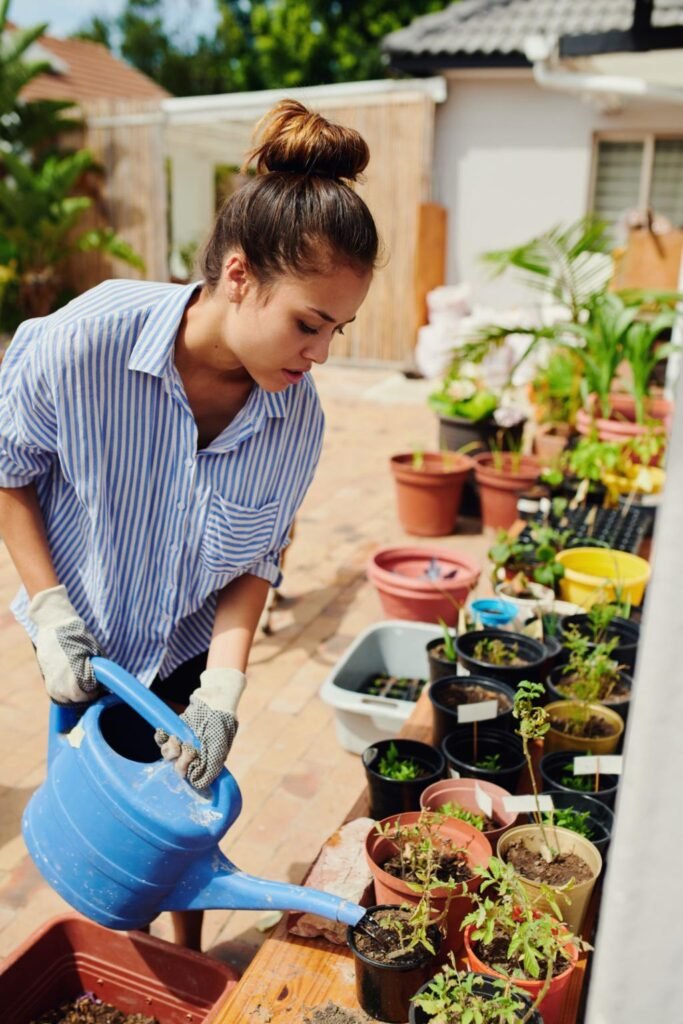
Among all the typical beginner gardening mistakes, there is the lack of understanding of the level of water that plants require. One of the most essential gardening tips for beginners is learning proper watering. The natural conclusion is to think the more water, the healthier the plants, but this is not necessarily the case.
Roots can be suffocated by overwatering, and this results in root rot and fungal diseases. Conversely, underwatering denies plants important nutrients, leading to their wilting and drying up.
Good gardening+tips can be used to refer more to watching your plants than to keeping up with a schedule. The soil must not be wet but damp. An easy way to do it is to place your finger into the soil—when it becomes dry in depth of an inch, it is time to water.
Consistency is key in planting and maintenance. Plants require different watering regimes and, as such, always change your watering patterns. These are simple but effective tips about gardening.
2. Ignoring Soil Quality
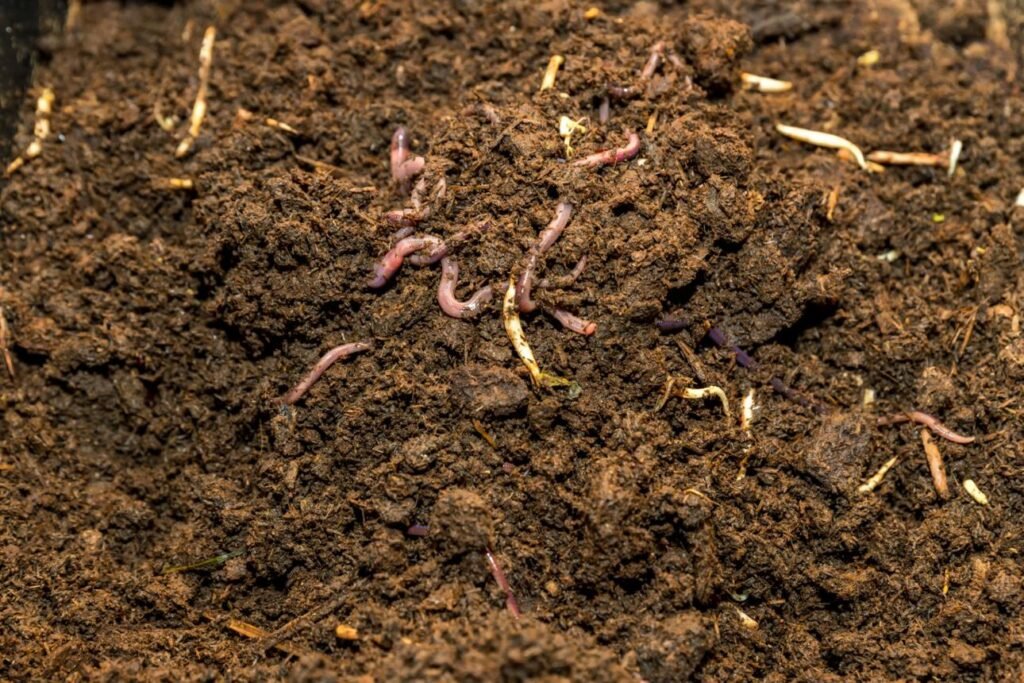
The basis of a successful garden is healthy soil, which is neglected by many beginners. This is one of the most common beginner gardening mistakes. Unhealthy soil means low growth, regardless of the efforts you make to water or provide sunlight.
Among the best garden tips for beginners is that you should spend time on enhancing your soil. The inclusion of compost, organic matter and nutrients will provide a good environment where roots can grow.
Another step that is not given due attention is soil testing. It can make you aware of the level of pH and deficiencies to customize your strategy. In the absence of this, you are basically making a guess—and that usually results in disappointment. These are essential tips about gardening that beginners should not ignore.
3. Planting in the Wrong Location
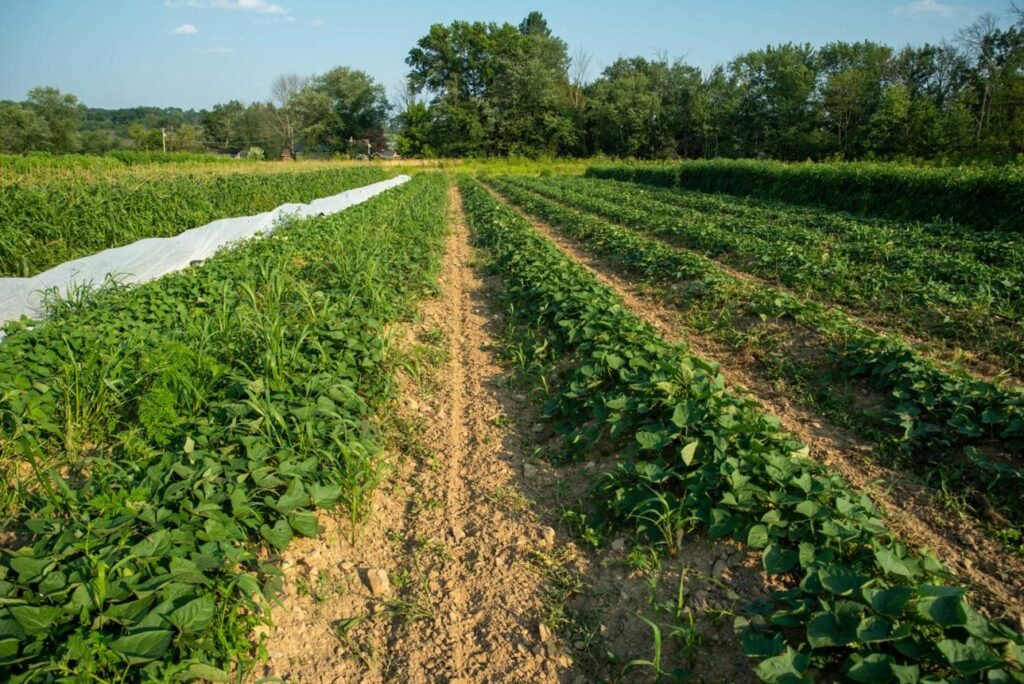
Plants are not made equal as far as sunlight is concerned. There are those that are successful in full sun and others in partial shade. One of the most common beginner gardening mistakes is to place them in incorrect places.
Always examine the sunlight requirements before planting. Watch what happens to your garden space during the day, the movement of light.
This easy trick is one of the most practical gardening+tips and should not be ignored, as it may lead to poor growth or scalded leaves. Best garden tips always have the theme of right plant, right place.
4. Overcrowding Plants
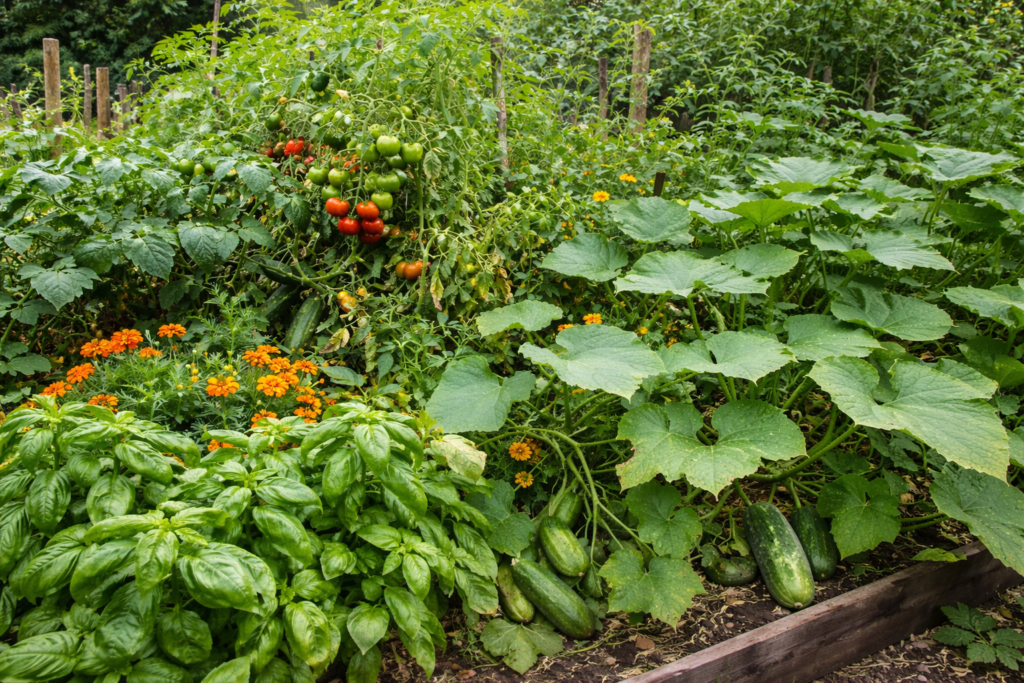
When one is very excited, it is tempting to plant as much as possible within a small area. Nonetheless, one of the most destructive bad gardening habits is overcrowding.
Plants require space to grow, exposure to sunlight, and air. They end up competing over nutrients and are more exposed to pests and diseases when they are too close.
One of the easiest garden tips for beginners is to adhere to spacing. It may seem as though you are abandoning vacant space, yet that space is necessary in the future.
5. Neglecting Pest Control
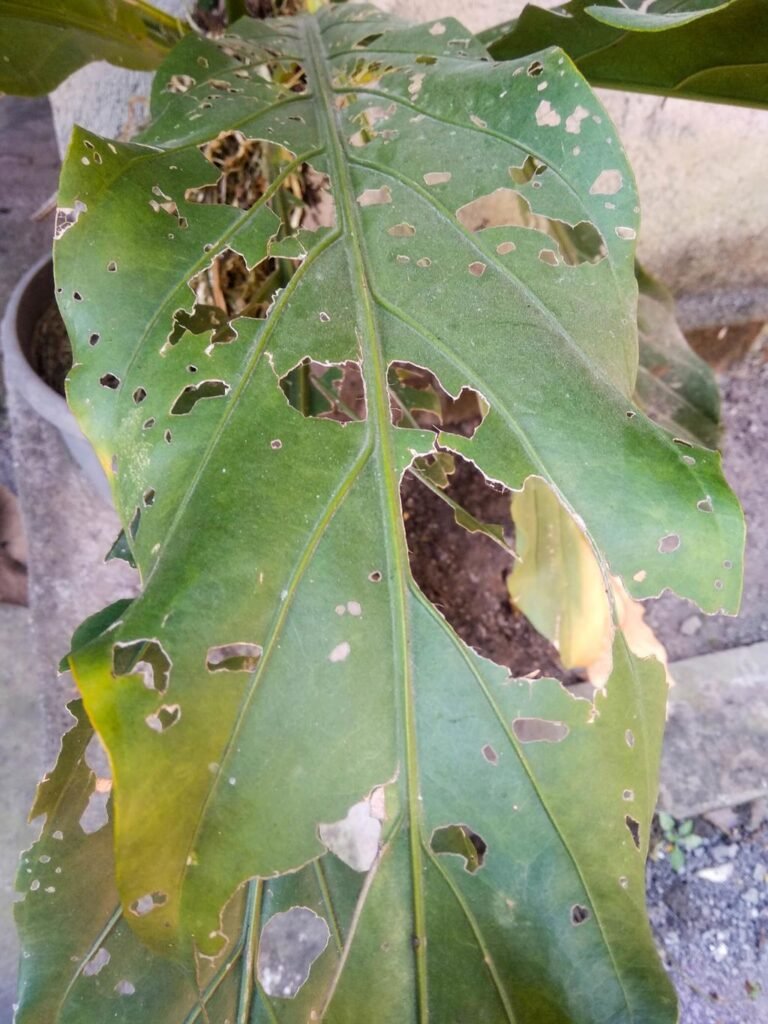
Without control, pests are known to ravage an otherwise beautiful garden in a short period of time. The beginners disregard the problem or resort to using harsh chemicals without knowing the repercussions, which becomes one of the common beginner gardening mistakes.
Beginner balanced gardening tips imply that one should employ natural pest control strategies first. Essentially, bringing in good insects, neem oil applications, or even the application of pests by hand can make a tremendous difference.
Consistency in inspection is important. Early detection of problems helps in avoiding their proliferation and becoming more difficult to control. These are highly recommended tips about gardening.
6. Skipping Proper Planting Techniques
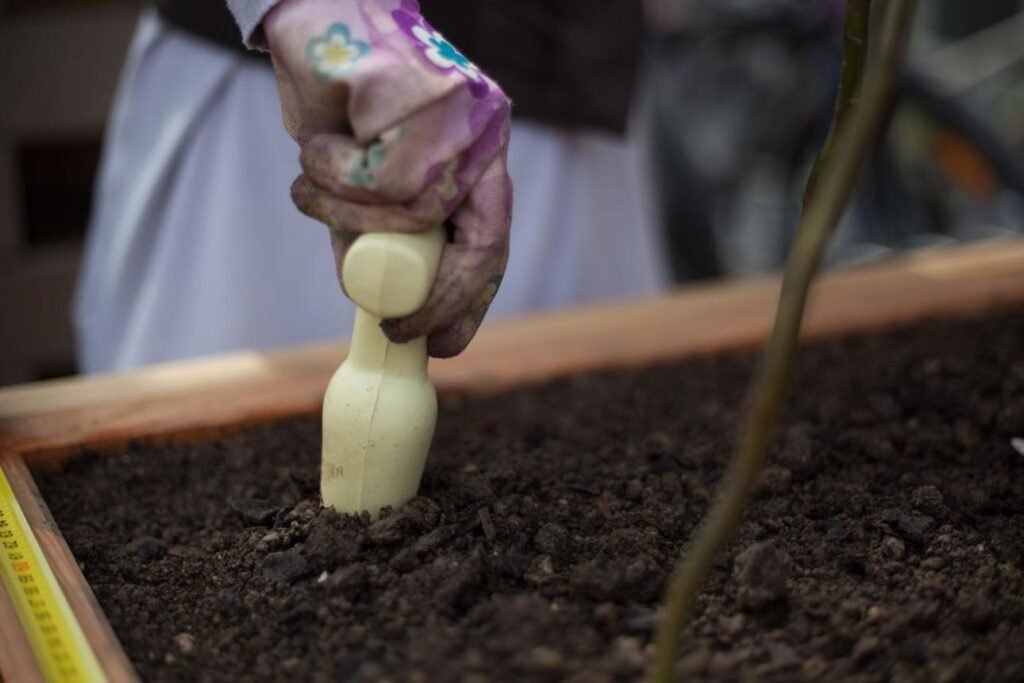
The other significant cause of poor plant growth is improper planting. Planting either too deeply or too shallowly may put stress on the plant and may influence the growth of that plant.
Plants have certain requirements. The seeds should be planted at the right depth, and the transplant should be done with care not to damage the roots.
This is one of the most common beginner gardening mistakes and is frequently ignored due to its occurrence at the beginning. However, get it right, and the rest of the growing process is established.
7. Forgetting to Prune and Maintain
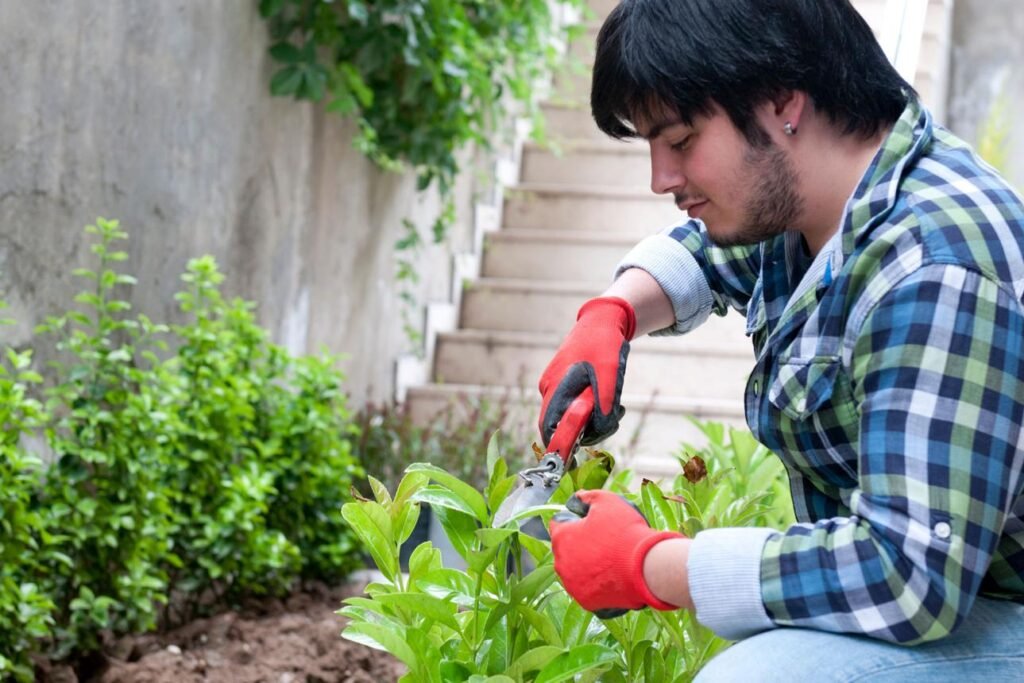
Pruning may not appear necessary, yet it is a critical measure for healthy plant development. Ignoring pruning is one of the bad gardening habits. Plants may not thrive due to dead leaves, weak stems and overcrowded branches.
Maintenance is among such underestimated gardening+tips that can go a long way in the long run. It enhances air circulation, promotes new growth and maintains the look of your garden well.
Lacking this step in most cases results in untidy, unhealthy plants that may not survive.
8. Not Understanding Seasonal Changes
Seasons are closely related to gardening. Poor planting time may result in poor germination or the death of the plant, making it one of the common beginner gardening mistakes.
Among the best gardening tips for beginners is to get to know your local climate and when to plant. There are those plants that are better at cooler temperatures and those that require warmth to grow.
Everything is a matter of timing, whether it is seed germination or the quality of harvest. Seasons make a difference in the outcome of gardening. These are crucial garden tips for beginners.
9. Using Too Much Fertilizer
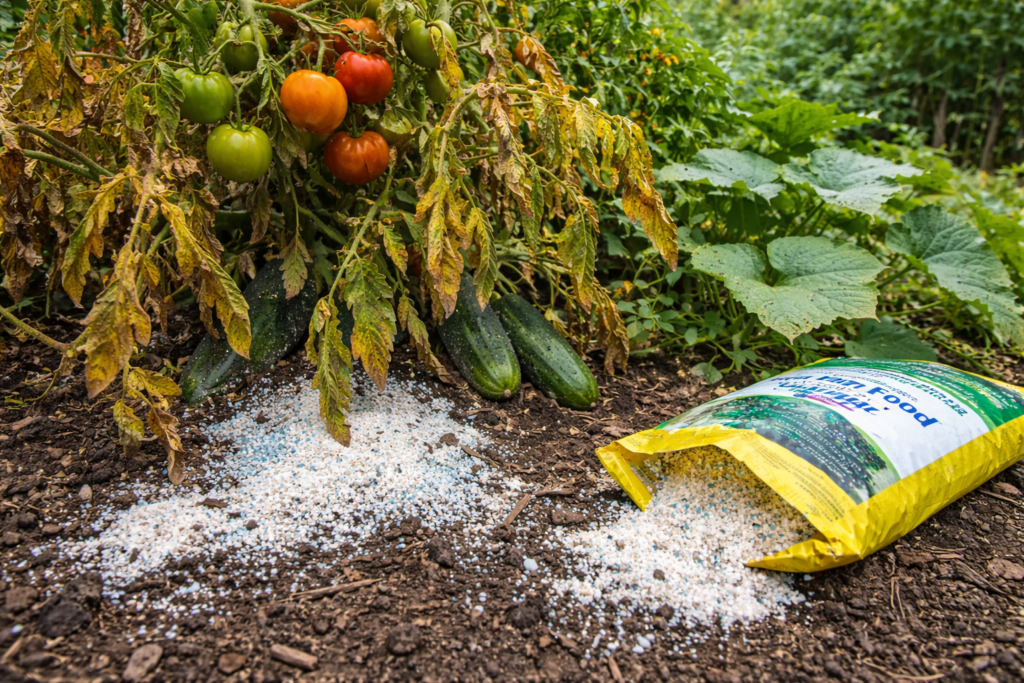
Additional fertilizer does not imply quicker growth. Actually, excessive fertilization may scald and kill plants and negatively affect the soil condition, which reflects bad gardening habits.
Balanced feeding is key. Organic fertilizers are slow in releasing nutrients, and over the long run, they enhance the structure of the soil.
It is among those beginner gardening mistakes that are usually a result of impatience. Gardening is always better done by being slow and steady.
10. Lack of Consistency and Patience
Gardening is not a single-day activity. It demands frequent attention, observation and patience.
Novices often quit too early when they fail to achieve results in the short term, which is one of the common beginner gardening mistakes. Plants have their own timetable, and speeding up the process will hardly ever pay off.
The most popular gardening+tips focus on regularity. The little things you do daily result in success in the long term.
Conclusion: Grow Smarter, Not Harder
These are some of the typical beginner gardening mistakes that can make or break your gardening experience. Through the right watering, soil wellness, intelligent planting, and regular care, you are preconditioned to success.
Gardening is a learning experience. Each error is something to learn. The right attitude and these tested garden tips for beginners and tips about gardening will not only help you to stay out of the typical traps but also have a wonderful and successful garden.
FAQs About Common Gardening Mistakes
What are the most common beginner gardening mistakes?
The most common beginner gardening mistakes include overwatering, inadequate soil quality, improper planting, and insufficient sunlight.
How can I improve my gardening skills quickly?
Begin with the simplest of plants, follow some basic gardening tips as a beginner, and watch your plants every day.
Why are my plants dying even after regular watering?
The problem may be overwatering or a lack of drainage. Always monitor Soil moisture before watering.
Is fertilizer necessary for all plants?
Not always. Some plants are natural in the soil. Use fertilizer only when needed.
How do I choose the right plants for my garden?
Planting should be considered according to the sunlight, climate, and soil conditions.
What is the best way to avoid bad gardening habits?
Research and learn yourself, begin small, and learn as you go and practice what you have learned.