

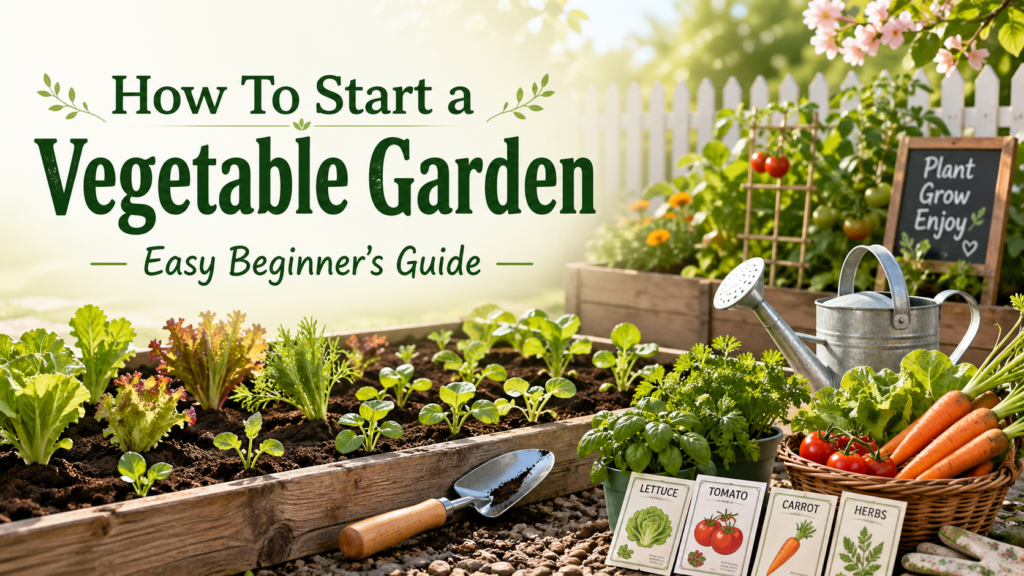
Introduction to Vegetable Gardening
It might seem like a blast into a new world when it comes to how to start a vegetable garden, but it is not that difficult. This introductory vegetable gardening manual is aimed at ensuring you get the basics and the journey is fun and as rewarding as possible. No matter what size of a backyard, balcony or even a tiny piece of soil you have, knowing how to start a garden can turn it into an efficient green oasis.
Vegetable gardening is not a mere process of producing food but also creating a relationship with nature. It enables you to eat fresh fruit and vegetables, save on the grocery bills and have a better quality of life. Even beginners can be successful at growing healthy plants with the right gardening tips and a little patience.
Why Start a Vegetable Garden at Home
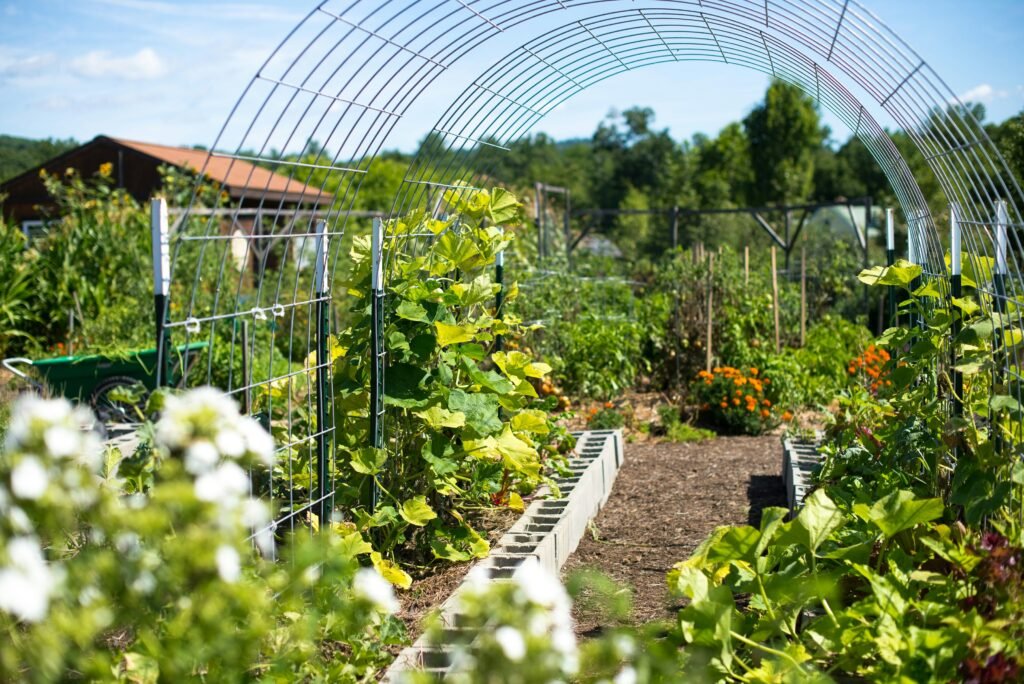
Planting a vegetable garden would provide you with much more than merely fresh vegetables. It is an accomplishment and peace that is difficult to equal. Lots of amateur gardeners begin their working with this kind of activity and soon understand its more significant advantages.
Or have a home vegetable garden so that you have access to chemical-free, organic vegetables. It also aids in minimizing your carbon footprint as you depend less on the produce supplied in stores. Also, gardening can be a great stress reliever and a healthy exercise.
Knowing how to start a vegetable garden in the backyard can be a gateway to a more sustainable lifestyle. Even a tiny garden can yield sufficient vegetables to create a significant change in your meals.
Understanding Soil Basics
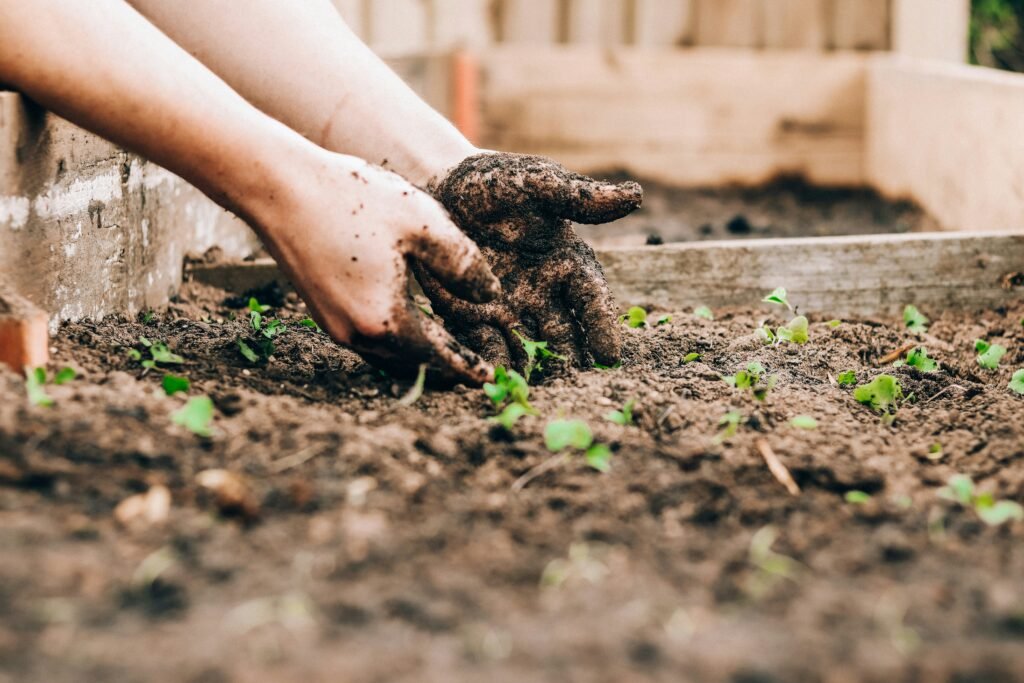
A successful vegetable garden is based on healthy soil. Even the best seeds will not do well without the right preparation of the soil. The soil must contain a lot of nutrients, be well-drained and a bit loose so as to permit easy growth of roots.
To enhance the quality of your soil, you can use compost, natural fertilizers, or organic matter. The level of pH in your soil is also determined by testing, and it assists in determining which vegetables will grow well. The vegetables, like most, are neutral to slightly acidic.
These are the most important gardening tips that you should know at the beginning, so that your plants can get the nutrients that they require at the beginning.
Choosing the Right Location
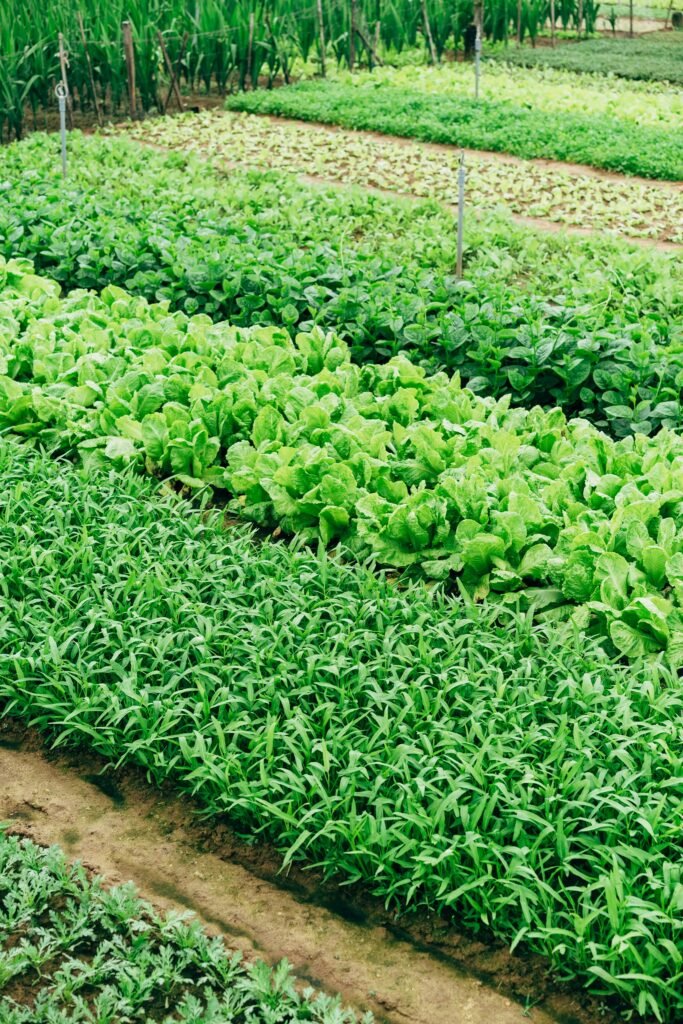
Place is a key determinant of the performance of your garden. Vegetables require a lot of sunlight, averaging six to eight hours a day. Select an area that gets plenty of sunlight and is close to water.
Do not use places where there are high winds or where the drainage is poor. When you have a small area to garden in, you may want to use containers or raised beds. Learning how to start a garden in the optimal place could greatly enhance your success.
Essential Gardening Tools for Beginners
It is easier and more fun to start gardening with the right tools. Simple implements are a hand trowel, watering can, pruning shears, gloves, and a rake. You do not have to spend a lot of money on equipment to start.
Most of the beginner gardening tasks can be done with simple tools. You can invest in more advanced equipment as your skills increase.
How to Start a Vegetable Garden Step-by-Step
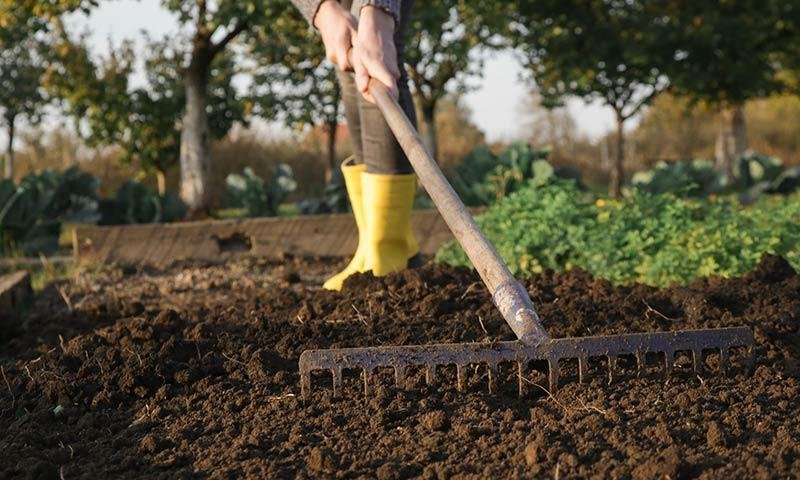
You are asking how to start a vegetable garden; it is not very difficult when it is divided into steps. To begin with, get your place and prepare the ground by weeding and adding compost. Then, decide on the vegetables to grow according to your climate and space.
Planting seeds or seedlings as per their spacing needs. Water them periodically and check their growth. Mulching can be added to maintain moisture and keep weeds at bay.
These steps will provide a good base for your vegetable garden.
How to Start a Vegetable Garden Successfully
It takes consistency and observation to start a vegetable garden. Start with some simple crops such as lettuce, tomatoes or even herbs. Plants should not be crowded as this may inhibit growth and circulation.
Monitor water schedules and inspect plants in case of pests or diseases. Plant health can be enhanced by the use of organic fertilizers.
Knowing how to start a garden properly will make life easier and the chances of succeeding higher.
Selecting Beginner-Friendly Vegetables
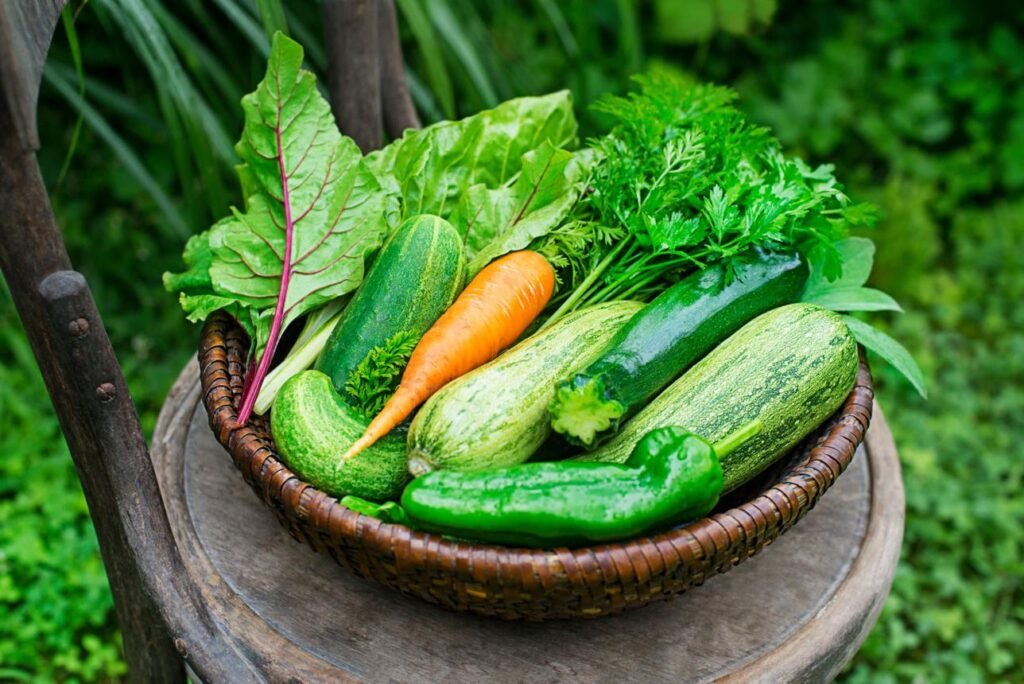
The most important thing as a beginner is to choose the right vegetables. Other plants are less difficult to grow and maintain. The first options would be tomatoes, spinach, radishes, carrots and herbs such as basil.
These are fast-growing vegetables that can withstand various conditions. Begin with simple crops to build confidence, and you will be motivated.
Seed vs Seedlings: What to Choose
Seeds are cheaper and have a greater range of choice, yet they take more time. Seedlings, however, are young plants that are simpler to handle and not difficult for the novice.
In case you are a beginner, seedlings can make it easier. You can explore the experience of growing seeds as you gain experience.
Watering Techniques and Irrigation
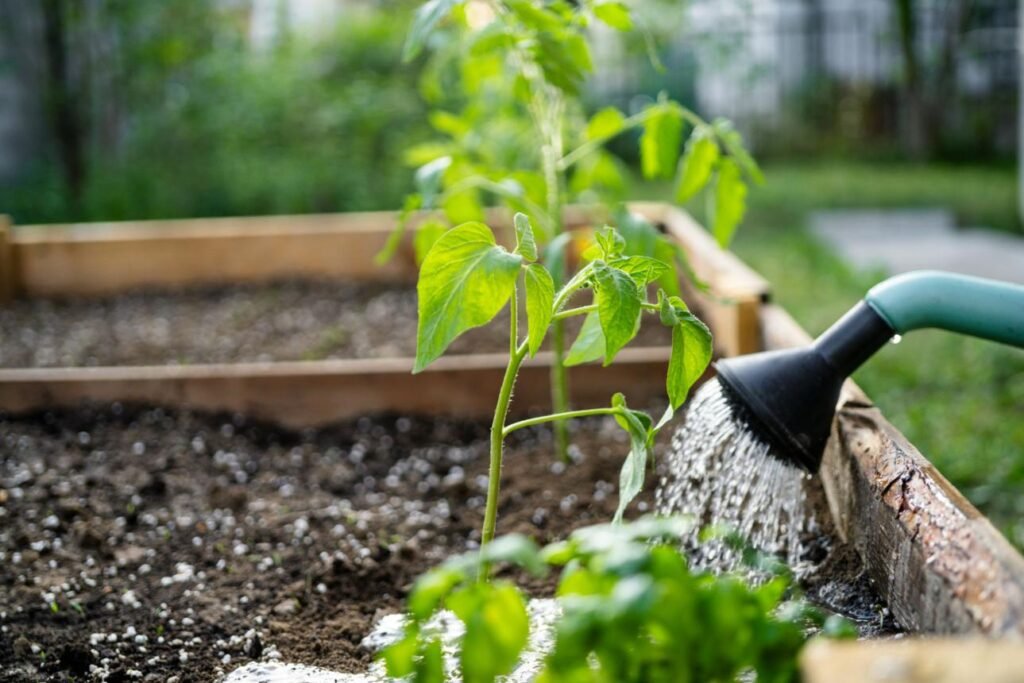
One of the most vital gardening tips is to water properly. Plants can be damaged by being overwatered in the same way as they can be underwatered. The majority of the vegetables like to be damp but not wet.
Water the plants in the morning when there is less evaporation. Even moisture can be retained by drip irrigation or soaker hose.
Sunlight Requirements for a Vegetable Garden
Photosynthesis requires sunlight to enable plants to grow healthy. The majority of vegetables need full sun, which implies that they need at least six hours of direct sunlight every day.
Leafy greens are partial shade tolerant, whereas fruit-bearing plants such as tomatoes require maximum sunlight to fruit. Watching the light patterns in your vegetable garden will assist you in planting the right plants in the right places.
Common Gardening Mistakes to Avoid
Novices usually commit simple errors that may affect their vegetable garden. Problems include overwatering, planting in a tight space and neglecting soil quality.
The other error is attempting to expand too many varieties simultaneously. Begin with little and then grow as you become experienced.
Organic Gardening Tips for Beginners
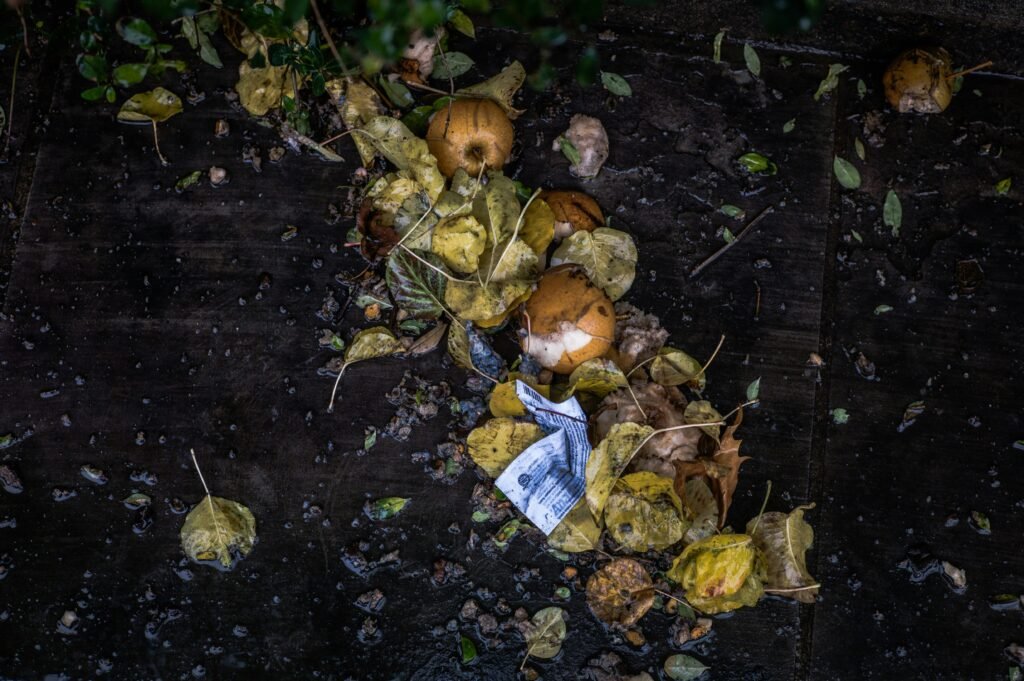
Organic farming is devoted to the use of natural techniques to cultivate plants without using harmful chemicals. This is done by using compost, natural fertilizers and environmentally friendly pest control measures, which result in healthier produce.
Another helpful method is companion planting, in which some plants benefit the development of others. The gardening tips are recommended so as to achieve a balanced environment in your vegetable garden.
Pest Control and Plant Protection
It is necessary to safeguard your plants. Rather than applying chemically based pesticides, think about natural alternatives such as neem oil or even home-made sprays.
Check your plants frequently to see if there is any damage. An early diagnosis will avoid bigger issues.
Seasonal Planting Guide
Various vegetables are in season at different times of the year. Hot crops such as tomatoes would be more at home in hot weather, whereas cool crops such as lettuce and spinach would be more at home in cold weather.
Knowing seasonal planting will keep your vegetable garden producing all year round.
Harvesting and Maintaining Your Garden
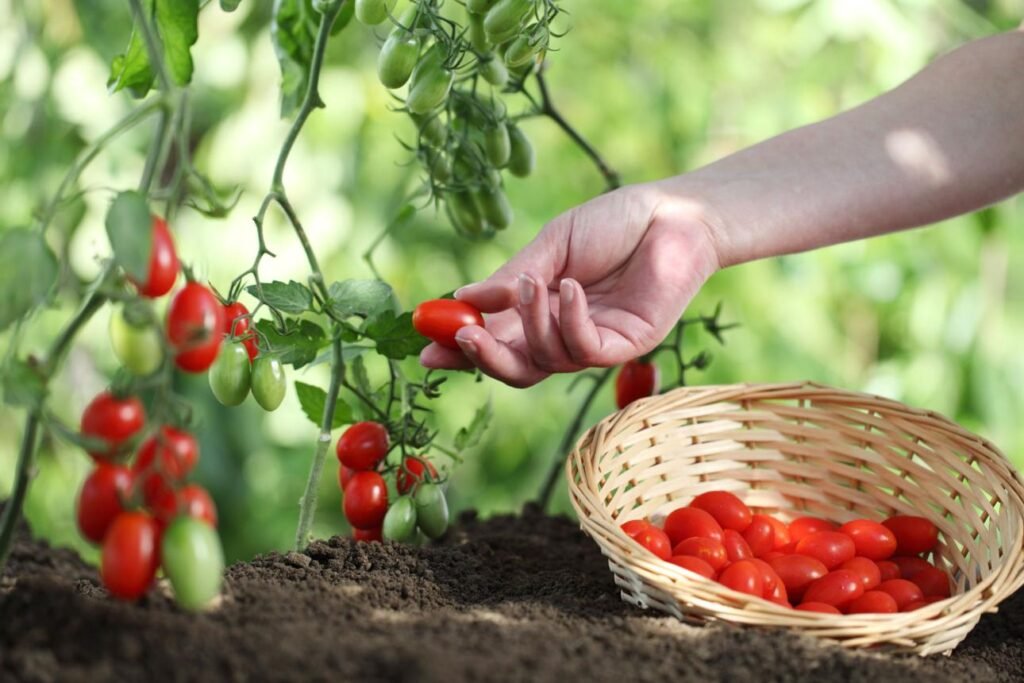
The most gratifying aspect of gardening is harvesting. Vegetables are to be picked when they are ripe to have a good taste. Frequent harvesting also helps to motivate the plants to yield more.
Maintenance involves pruning, weeding and monitoring soil health. A properly taken care of vegetable garden remains alive and growing and provides fresh vegetables.
Conclusion
One of the most fulfilling things to do at home is to begin your own vegetable garden. This beginner vegetable gardening tutorial has demonstrated to you how to start a vegetable garden step by step, through soil preparation and harvesting fresh produce. With these practical gardening tips, you can create a successful vegetable garden despite a small space.
The keys to success are consistency, patience and readiness to learn. As soon as you learn how to start a garden, you will not only enjoy the fruits but also the whole process of growing your own food.
FAQs
1. How do I start a vegetable garden as a beginner?
Start small, choose easy vegetables, prepare your soil, and ensure proper sunlight and watering.
2. What are the easiest vegetables to grow?
Tomatoes, lettuce, radishes, and herbs are beginner-friendly options.
3. How often should I water my vegetable garden?
Water consistently, usually once a day or when the soil feels dry.
4. Do I need fertilizers for my garden?
Yes, but organic compost works well for beginners.
5. Can I grow vegetables in containers?
Absolutely, container gardening is perfect for small spaces.
6. How much sunlight do vegetables need?
Most vegetables need at least six hours of direct sunlight daily.