

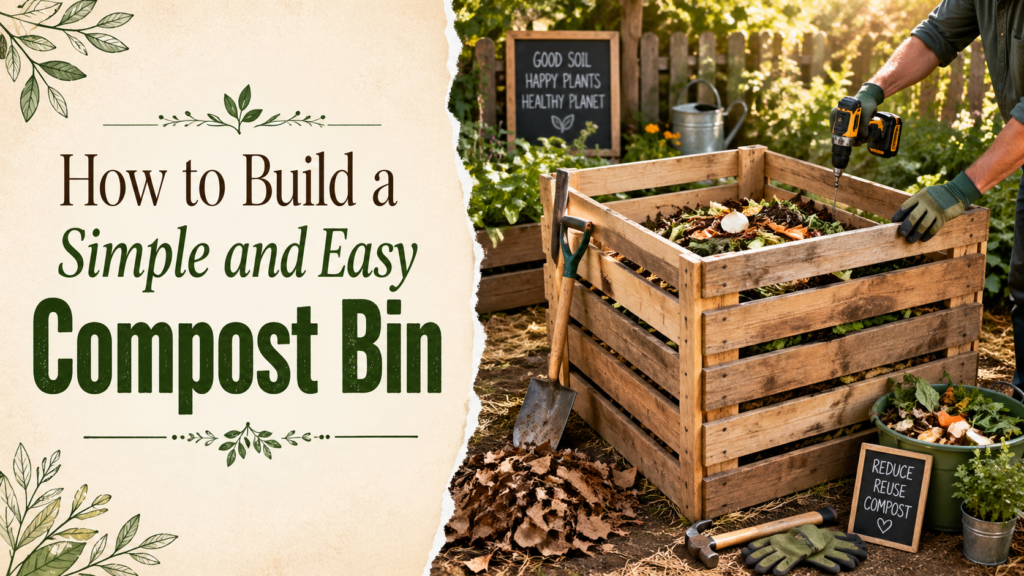
How to Build Your Own DIY Garden Compost Bin
Composting is a great means of recycling organic waste as well as supplementing your garden soil. You can help your garden be much healthier by transforming scraps such as fruit peels, vegetable leftovers, grass clippings, and various other waste materials into compost that is rich in nutrients. Unless you have a large power generator and money to buy a compost bin, the best choice is to construct your own DIY compost bin in your backyard.
In this article, we shall take you through the construction of your own compost DIY bin, which is not only simple to build but also very effective in decomposing organic matter. No matter your level of expertise or experience in gardening, knowing how to build a simple and easy compost bin will help add value to your gardening and assist in making the environment more sustainable.
The Reason You Need a Compost Bin
It is worthwhile to understand what a compost bin does in the composting process before delving into the details of constructing your own garden compost bin. An outdoor compost bin will be the most appropriate to ensure that your compost is contained and well-ventilated, promoting effective decomposition. Without a bin, composting can get messy, attract pests, and slow down the decomposition process.
An effective compost bin helps control moisture content and ensures proper air circulation, which are key factors for the decomposition of organic materials. Properly prepared compost derived from a well-managed bin will be dark, crumbly, and rich in nutrients, ideal for nourishing your plants.
Materials Required to Build Your Compost Bin
To create a basic best composting container, you can use a few simple materials that are easy to obtain and relatively inexpensive. You don’t have to buy costly composting containers from garden stores. With these guidelines, you can build a compost bin at home using:
- Wooden pallets (or other wooden planks)
- Nails or screws
- Wire mesh (optional, for ventilation)
- Hinges (for easy access)
- Drill
- Measuring tape
- Saw (if needed)
Step-by-Step Instructions to Build a Compost Bin
By following these steps, you can make a compost bin that will serve as the ideal compost box in your garden.
1. Select the Right Location
The first thing you need to do when constructing your best outdoor compost bin is select the appropriate site. Your compost bin should be placed in a sunny area to accelerate the decomposition process. However, it should not be exposed to strong winds, as this can dry out your compost too quickly. Ensure that the location is easily accessible and does not obstruct any garden pathways.
2. Measuring and Cutting Wood
After choosing the location, measure and cut the wood to the desired size. The typical size for a compost bin is 3 feet wide, 3 feet deep, and 3 feet high. You can adjust the size of your compost box depending on your needs.
If you’re using wooden pallets, the measurements are usually pre-set, making the process easier. If you’re working with wooden planks, you’ll need to measure, cut, and use the pieces to construct the sides of your compost DIY bin.
3. Assemble the Frame
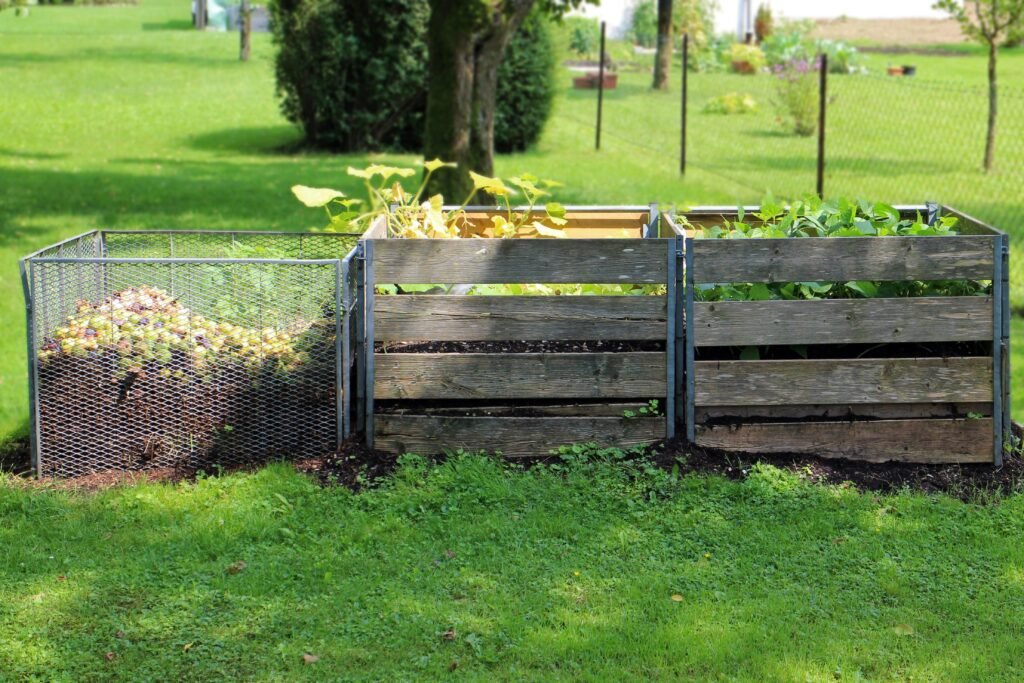
Start assembling the frame of the compost bin by joining the wooden planks or pallets together. Secure the sides using nails or screws. It’s advisable to leave one side open or install a hinged door for easy access to the compost when needed.
For added ventilation, consider covering the sides with wire mesh. This will allow air to flow through the bin, speeding up the decomposition process while keeping out pests, but allowing beneficial organisms like worms and microbes to enter.
4. Insert the Bottom Layer
Next, place a layer of coarse materials (such as twigs or straw) at the bottom of the bin. This layer promotes drainage and ventilation. It also helps prevent excessive dampness and odors by allowing water to evaporate.
5. Fill with Organic Materials
It’s time to start filling your compost bin! Begin by adding green materials like fruit and vegetable scraps, grass clippings, and coffee grounds. Then, cover them with brown materials like dead leaves, cardboard, or straw. This helps maintain the proper carbon-to-nitrogen ratio that is essential for effective composting.
Alternate between green and brown materials, making layers that will decompose successfully. Be sure to occasionally turn the compost to keep it well-aerated.
6. Take Care of Your Compost Bin
Once your bin is full, the composting process begins. To ensure that the process progresses properly, regularly turn the compost. This will break up large clumps, introduce air, and maintain a steady temperature.
If the compost becomes too dry, add water. If it gets too wet, add more brown materials like leaves or straw. Over time, your best composting container will break down the organic matter into dark, fertile compost ready for use in your garden.
The Benefits of a Homemade Compost Bin
Building your own best compost box has numerous advantages, including:
- Economical: A DIY compost bin is made from inexpensive materials and saves money compared to store-bought options.
- Customization: You can create a compost bin tailored to the size and shape that fits your garden.
- Sustainability: By using recycled wood or materials you already have, you reduce waste and make a more environmentally friendly decision.
- Durability: A well-made compost bin can last for many years and withstand weather conditions, making it a long-term investment.
What If You Have a Small Garden?
When working with a small garden, you might wonder: how do I build a compost bin in a small space? The process is similar to constructing a larger bin, but with modifications for size. You can create a smaller outdoor compost bin that fits your limited space, or opt for stacking systems or compact containers, which also work effectively for composting.
Common Pitfalls to Avoid
Although constructing a compost bin is simple, there are common mistakes to avoid:
- Excess Green Content: Too much food waste and not enough dry materials can make your compost too wet and odorous. Maintain a good balance between green and brown materials.
- Failure to Turn the Compost: Regularly turning the compost is essential for aeration and decomposition. Failure to do so may delay the process.
- Lack of Ventilation: Ensure your bin has sufficient ventilation to allow airflow. Without it, the compost may become too thick and decompose slowly.
Final Thoughts
Building your own compost DIY bin in your garden is a rewarding and environmentally friendly project. With just a few materials and some effort, you can create an effective composting system that will serve your garden for years to come. As you recycle food scraps and garden waste, you’ll not only enrich your soil but also contribute to a more sustainable lifestyle.
Start today, and enjoy the benefits of nutrient-rich compost all year round!