

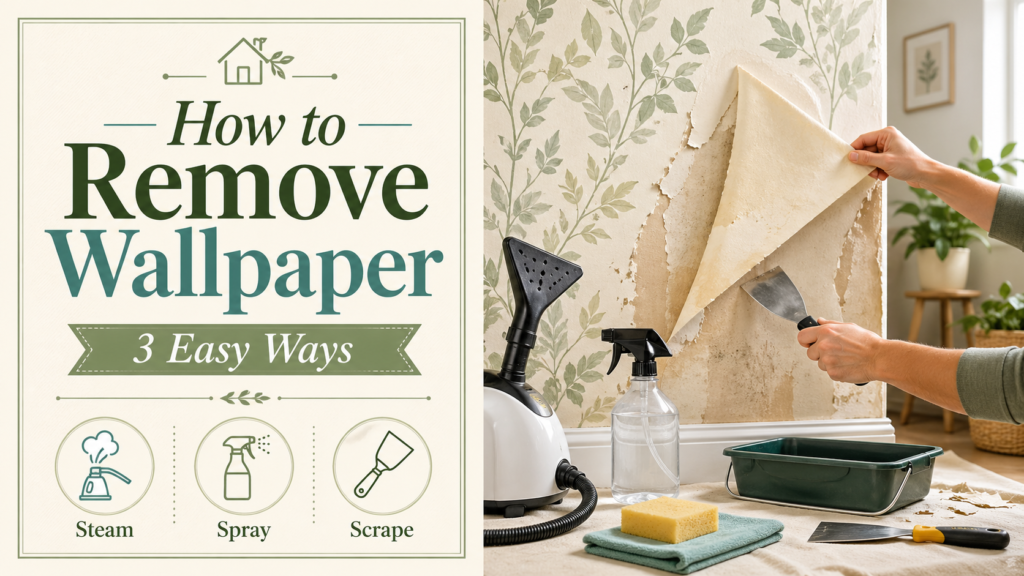
3 Simple Ways to Remove Stubborn Wallpaper
The process of wallpaper removal may seem difficult, especially when it is old, stubborn, or has been on the walls for years. If you are wondering how to remove wallpaper, the good news is that the job can be much easier with the right approach. Whether you want to prepare your room for paint or give it a fresh new look, removing old wallpaper properly is an important first step. It is possible to make the process smooth and stress-free with the right methods and create a clean surface for your next project. This blog post will guide you on how to remove wallpaper using the most effective techniques without damaging your walls. These strategies can save you time, money, and a lot of frustration.
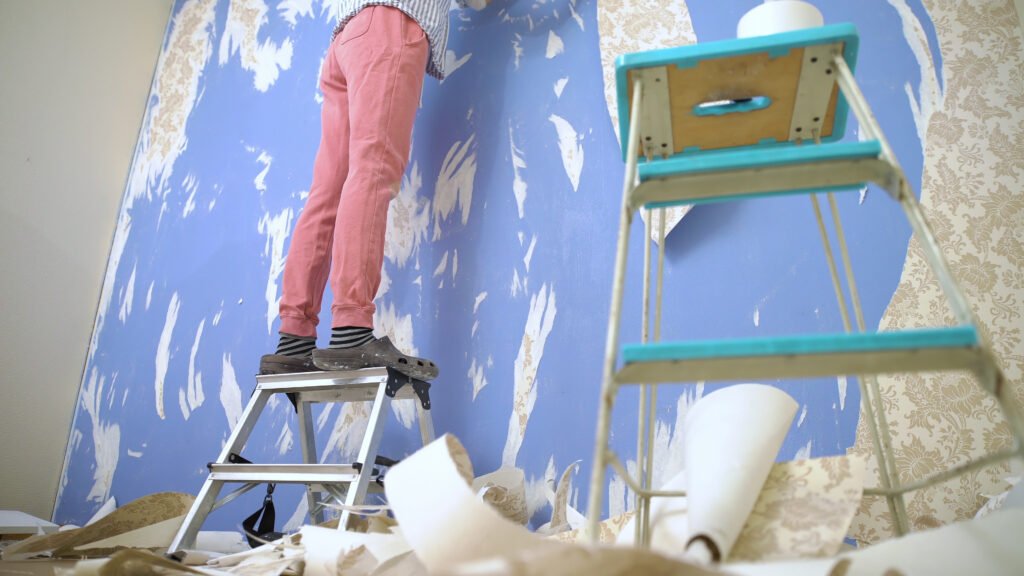
Why Remove Wallpaper?
Wallpaper is also attractive and fashionable, but in most cases hard to take down. Wallpaper glues may also stick to the surface too strongly to be removed after some time. Nevertheless, when you are removing wallpaper, it will provide your walls with a clean surface and enable you to put a new coat of paint or some other textures. It is a simple process as soon as you are familiar with the techniques and materials.
Equipment you will require to remove wallpaper.
You must also ensure that you have all the tools that you need in order to have a successful and smooth wallpaper removal job. The following are the rudimentary requirements
- Wallpaper scraper/putty knife.
- Wallpaper Steamer or wallpaper stripper (not essential, but useful)
- Sponge or cloth
- Warm water and soap or wallpaper removal solution
- Drop cloths or plastic sheets to protect your floor
- Gloves to protect your hands
- Painter’s tape (optional, for delicate areas)
1. Wallpaper Removal with Water and Soap.
The water and soap technique is the first technique to be used when removing wallpaper. It is among the simplest and cheapest ways. This is the step-by-step approach:
Step 1: Scoring Wallpaper.
Scoring the wallpaper will be necessary before you can apply the water, in order to get the solution to enter the adhesive beneath the wallpaper. Score the wallpaper lightly in a crisscross pattern with a wallpaper scraper or a wallpaper scoring tool. Care should be taken not to spoil the underlying drywall or plaster.
Step 2: Prepare the Solution
Combine warm water and a little dish soap or a commercial wallpaper remover solution. Add a little soap to form suds, but do not overload the solution with soap. The soap will assist in the degradation of the adhesive, thus making it easy to take off.
Step 3: Apply the Solution
Wet the wallpaper with a soapy water solution with the help of a sponge or cloth. Beginning at the top of the wall, go down. Keep waiting another 15-20 minutes to loosen the wallpaper and the paste.
Step 4: Scrape Away the Wallpaper
After the wallpaper has become wet enough, a wallpaper scraper or a putty knife should be used to carefully remove the wallpaper. Begin on the sides and sweep over the wall. The wallpaper must begin to peel off in big pieces. Have patience since not all things come easily.
Step 5: Clean the Wall
Once the wallpaper has been taken off, the wall may have some adhesive left. Wipe the residue with the same soapy water solution and sponge. This should be repeated several times to make sure that the surface is not left with any adhesive.
Tip: When the wallpaper does not peel off, remember to score the paper a bit more or use more water solution.
2. How to Use a Steamer for Wallpaper Removal
In case the water and soap technique is not working on the stubborn wallpaper, you may resort to the use of a wallpaper steamer. Steamers are quite useful to loosen the adhesive, particularly when it comes to wallpapers that have been pasted for years. To remove steam wallpaper successfully, use the following steps:
Step 1: Prepare the Steamer
Add water to your steamer and boil it as per the manufacturer’s guidelines. Ensure that you are operating in a well-ventilated place because steam may make the place humid.
Step 2: Score the Wallpaper
Just like in the water and soap technique, you will have to mark the wallpaper and then apply the steamer. This enables the steam to pass through the paper layers and dissolve the adhesive. Use your scoring tool carefully so as not to harm the walls.
Step 3: Apply the Steamer
Put the steam plate or nozzle of the steamer against the wallpaper. Keep it there between 20 and 30 seconds for each part. The steam will assist in softening the glue, which will be easy to remove the wallpaper from the wall. Turn the steamer around the wall in bits so that it does not get over-saturated.
Step 4: Scrape the Wallpaper
When the steam has softened the wallpaper, you can use a wallpaper scraper to gently remove the wallpaper from the wall. Beginning at the top, scrape downwards. The wallpaper must peel much easier than it did with the water technique.
Step 5: Clean the Wall
Once the wallpaper is removed, wipe any residual adhesive with a damp cloth and warm, soapy water. When you are ready, make sure the walls have dried fully, then you can paint or put on the new wallpaper.
3. How to Use a Wallpaper Remover Solution
Commercially, wallpaper removal solutions are available and are specially designed to assist in breaking adhesives that are used in wallpaper. The solutions will be a wonderful alternative to wallpapers that are especially intractable. The following are examples of how to use one:
Step 1: Prepare the Solution
Take your wallpaper removal solution as directed by the manufacturer. Usually, you combine the solution with warm water either in a spray bottle or a bucket.
Step 2: Apply the Solution
Spray the wallpaper remover solution on the wallpaper, or use a sponge to apply it all over. Do not forget to do up all the seams and edges, where the wallpaper may be glued on more firmly.
Step 3: Let it Sit
Let the solution rest for approximately 20-30minutes. This will allow the product time to soften the adhesive, which will make it easier to get the wallpaper off.
Step 4: Scrape Off the Wallpaper
After the wallpaper remover has soaked up, scrape the wallpaper off with a wallpaper scraper or putty knife. The wallpaper must be easily removed in big chunks.
Step 5: Clean the Surface
After the wallpaper, adhesive could be left behind. Wipe the wall using warm water and a cloth so that it becomes dry. Repeat in case of necessity.
Tips for Successful Wallpaper Removal
- Take Your Time: Wallpaper is a time-consuming task to remove. Be patient and do not hurry; you will ruin your walls.
- Protect Your Floors: Wallpapering can be a sloppy affair, and to cover your flooring, place a drop cloth or plastic sheet.
- Check for Hidden Nails or Tacks: Wallpapers can either have been nailed or tacked. Do not forget to take these off when scraping off the wallpaper.
- Test on Small Areas First: In case you are not certain of the wallpaper type or the strength of the adhesive, a small, concealed area should be tested first to prevent any damage.
Conclusion
The process of removing wallpaper does not necessarily need to be stressful. The old wallpaper can be successfully removed with the help of the right techniques, either by using a water and soap method, steamer, or a commercial wallpaper remover solution on your walls and then painting your wall with a new image. It will take no time to transform your space again with the right equipment and patience.
Happy crafting, and good luck with your DIY wallpaper removal project.